
Water Damage Remediation in Salt Lake City: What to Document
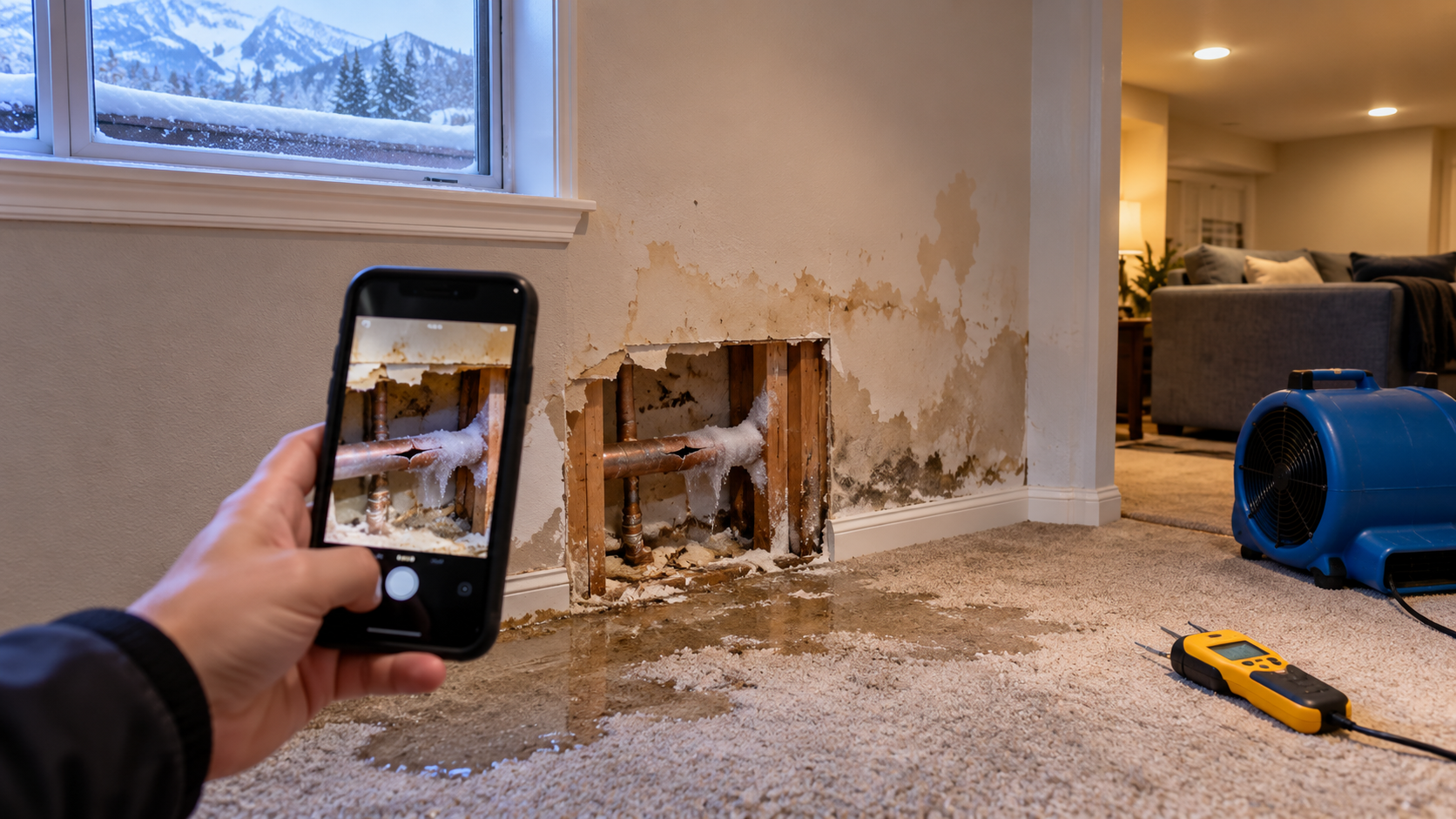
It's 6 a.m. in January, and you hear water running somewhere it shouldn't be. A pipe in the basement wall froze overnight and split. Water damage remediation in Salt Lake City starts the moment you find that leak, and so does your insurance claim.
At Huskies Leak Detection, we see the same mistake again and again. Homeowners rush to clean up, toss soaked carpet, and only call their insurer afterward. By then, much of the proof is gone. This guide covers what to record, when to record it, and why each piece matters.
Why Documentation Matters So Much in Salt Lake City
Salt Lake City winters are hard on plumbing. Overnight lows regularly drop below freezing, and pipes in exterior walls, crawl spaces, and unheated garages are the first to go. Then spring snowmelt raises groundwater around foundations just as homeowners stop thinking about leaks.
On top of that, many homes along the Wasatch Front have finished basements. Water that escapes there often runs under flooring and behind drywall before anyone notices. As a result, the visible damage is usually only part of the story.
Insurance adjusters need to answer two questions. First, what caused the damage? Second, how much damage did it actually cause? Your documentation answers both, and weak records leave room for a lower payout or a denial.
Sudden Damage vs. Gradual Leaks
Many homeowners policies treat these two very differently. A pipe that bursts suddenly is often covered. A slow drip that has rotted a subfloor over months may be excluded as wear or neglect.
That difference is exactly why pinpointing the leak source matters. A professional leak detection report showing a fresh split in a frozen line tells a very different story than a guess. Always check your own policy, because coverage terms vary from one insurer to the next.
What to Document in the First Hour
Stop the water first. Shut off the main valve, then start recording before you move anything.
- Photos and video of every wet area. Walk through slowly and narrate what you see. Include wide shots of each room and close shots of damage.
- The water source, if visible. Photograph the burst pipe, failed fitting, or leaking appliance before anyone repairs it.
- Water depth and spread. Hold a tape measure against standing water. Capture stains climbing up drywall and baseboards.
- The time you discovered it. Your phone's timestamps help, but write the time down too.
- Damaged belongings in place. Shoot furniture, rugs, and electronics where they sit before moving them to dry.
One small habit makes a big difference. Say the date and room name out loud at the start of each video clip. Months later, that simple step saves a lot of confusion.
What to Document During Remediation
Remediation is the work of removing water, drying the structure, and preventing mold. Each stage creates records your adjuster will want.
Moisture Readings
Professional crews use moisture meters and thermal cameras to find water hidden inside walls and floors. Ask for those readings in writing, with dates and locations. They prove that the damage extends beyond what the eye can see.
Removed Materials
Wet drywall, carpet pad, and insulation often must be cut out and thrown away. Before that happens, photograph every piece. If possible, keep a small sample of carpet and pad until your adjuster has inspected the loss.
Equipment and Drying Logs
Dehumidifiers and air movers usually run for several days. A drying log records which equipment ran, where, and for how long. That log supports the cost of the remediation itself.
Your Own Expenses
Keep every receipt. Hotel stays, meals, laundry, and replacement essentials may fall under additional living expenses if your home becomes unlivable. Even a box of trash bags belongs in the folder.
Mistakes That Weaken a Claim
We've watched good claims stall over small, avoidable errors. Watch out for these:
- Waiting too long to report it. Most policies expect prompt notice. Call your insurer the same day if you can.
- Skipping reasonable mitigation. Insurers generally expect you to take reasonable steps to limit further damage. Letting water sit for days can hurt your claim.
- Repairing the pipe without proof. Fixing the leak is urgent, but a photo of the failed section takes ten seconds.
- Throwing everything out early. Damaged items you can't show are hard to claim.
- Relying on memory. Write notes after every call with your insurer, including the name of the person you spoke with.
How a Leak Detection Report Supports Your Claim
Sometimes the water source isn't obvious. Moisture shows up on a ceiling, but the actual leak sits in a supply line two rooms away. Guessing at the source can mean opening the wrong wall and adding cost.
Non-invasive leak detection uses acoustic equipment, thermal imaging, and pressure testing to locate the exact problem. A written report naming the source and cause gives your adjuster something concrete. It also keeps repair work focused on the right spot, so your home sees less demolition.
Frequently Asked Questions
Does homeowners insurance cover water damage in Salt Lake City?
Many policies cover sudden and accidental water damage, such as a pipe that bursts in a winter freeze. Damage from slow leaks or long term neglect is often excluded. Flooding from outside water usually requires separate flood coverage. Review your own policy or ask your agent for specifics.
What should I photograph after a water leak?
Photograph every wet room, the water source, standing water depth, stains on walls and ceilings, and damaged belongings where they sit. Take video with narration as well. Capture everything before cleanup or repairs begin, then keep documenting throughout remediation.
Should I throw out wet carpet and drywall right away?
Photograph all damaged materials before removing them. Wet materials often need to come out quickly to prevent mold, so don't let them sit. If possible, keep a small sample of carpet and pad until your adjuster has inspected the loss.
How long do I have to report water damage to my insurer?
Most policies require prompt notice, though exact timelines vary by insurer. Reporting the same day is the safest approach. Delays can make it harder to prove the damage was sudden and may give the insurer grounds to reduce or deny the claim.
Why does leak detection matter for an insurance claim?
Adjusters need to know what caused the damage before approving coverage. Professional leak detection pinpoints the exact source, such as a frozen supply line or failed fitting. A written report naming that cause gives your claim clear, credible support.
Water damage is stressful enough without fighting over a claim. If you've found a leak, Huskies Leak Detection can locate the source and help you start remediation the right way. Call (385) 246-3560 or request a free estimate to book a consultation with our Salt Lake City team.